
Big Questions in Classrooms: Does it matter if we cut down one tree?
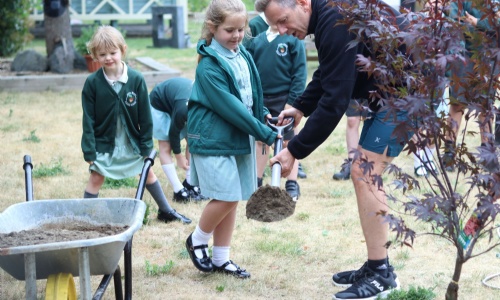
The Big Questions in Classrooms project was the result of months of dedication, collaboration, and thoughtful planning by our RE Best Practice Leaders across the Trust. This ambitious research project invited every primary school within the Trust to explore a deceptively simple but deeply complex question:
Does it matter if we cut down one tree?
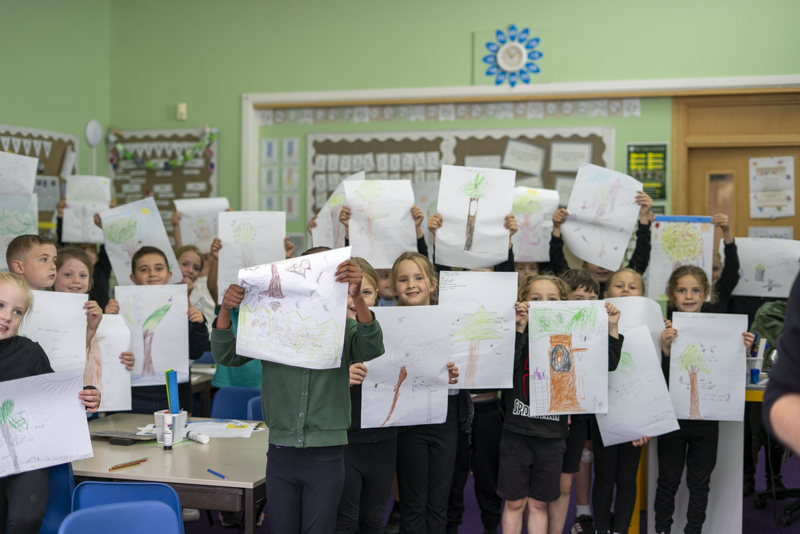
Rather than approaching this question from a single perspective, schools explored it through multiple lenses. Children considered the question as historians, geographers, artists, theologians, and scientists - examining environmental, ethical, social, spiritual, and cultural viewpoints. This cross-curricular approach placed critical thinking at the heart of classroom practice.
A Structured Approach to Deep Thinking
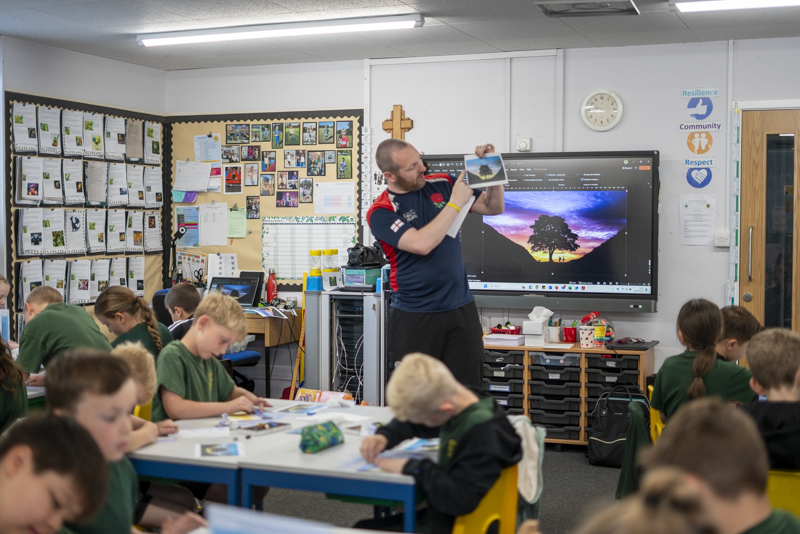
The project was carefully designed to value children’s thinking at every stage. At the outset, pupils shared their initial ideas before any exploration took place, allowing teachers to capture starting points. Over a series of lessons, the question was revisited through the lens of a different subject each time, giving children the time and space needed to reflect, revisit, and refine their thinking.
Throughout the project, children were encouraged to:
-
Draw on their own experiences and prior knowledge
-
Question and challenge one another respectfully
-
Build ideas collaboratively over time
Children’s responses were collected at the end of each day to help identify any shifts in thinking, offering valuable insight into how their understanding developed. Funding from the research grant supported this work and enabled schools to explore the question in depth and with creativity.
Reflection Through Creativity and Action
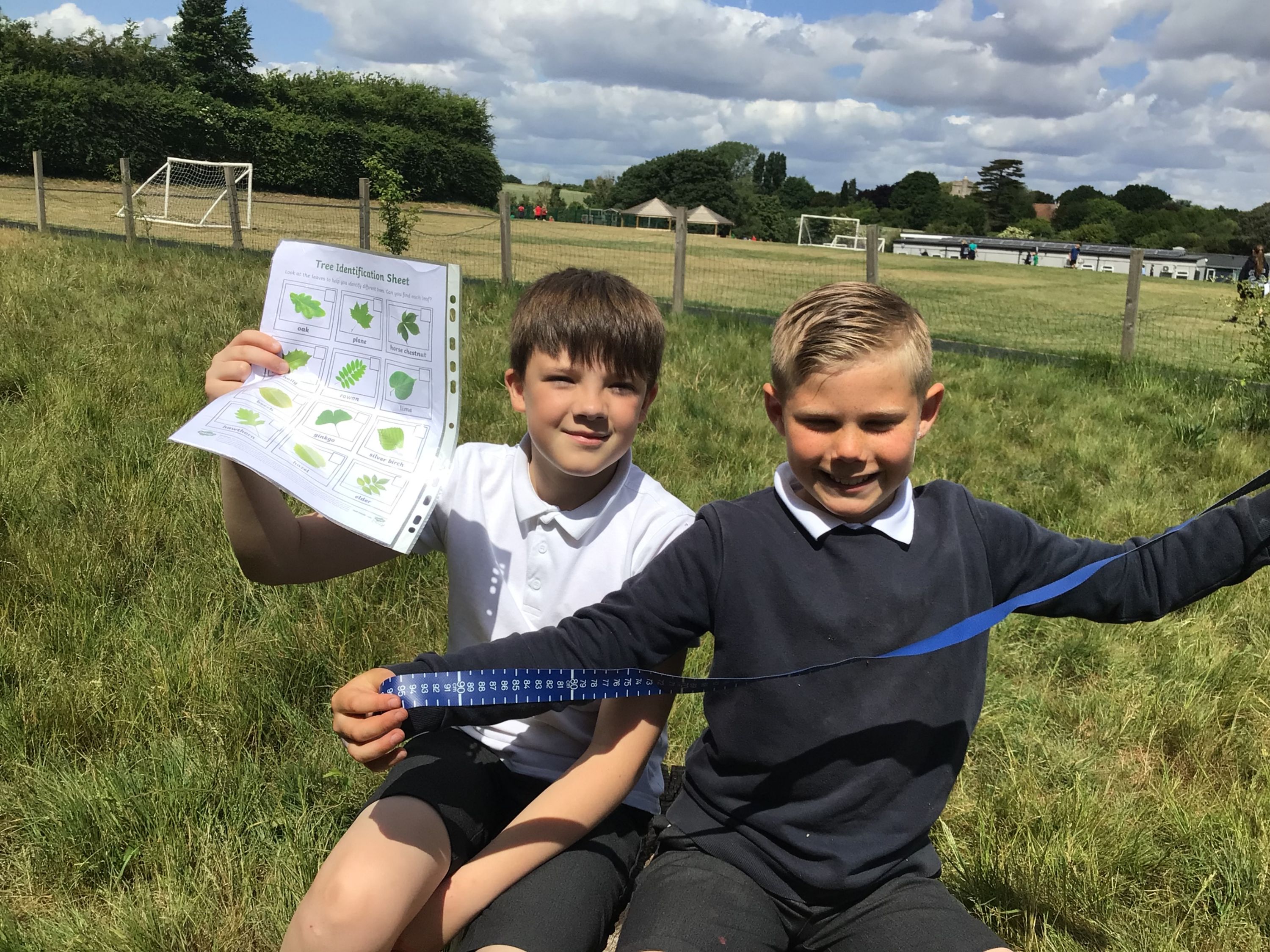
An essential element of the project was giving children meaningful opportunities to express their reflections. Across the Trust, pupils responded in powerful and imaginative ways, including:
-
Exploring environmental themes through Greta and the Giants by Greta Thunberg
-
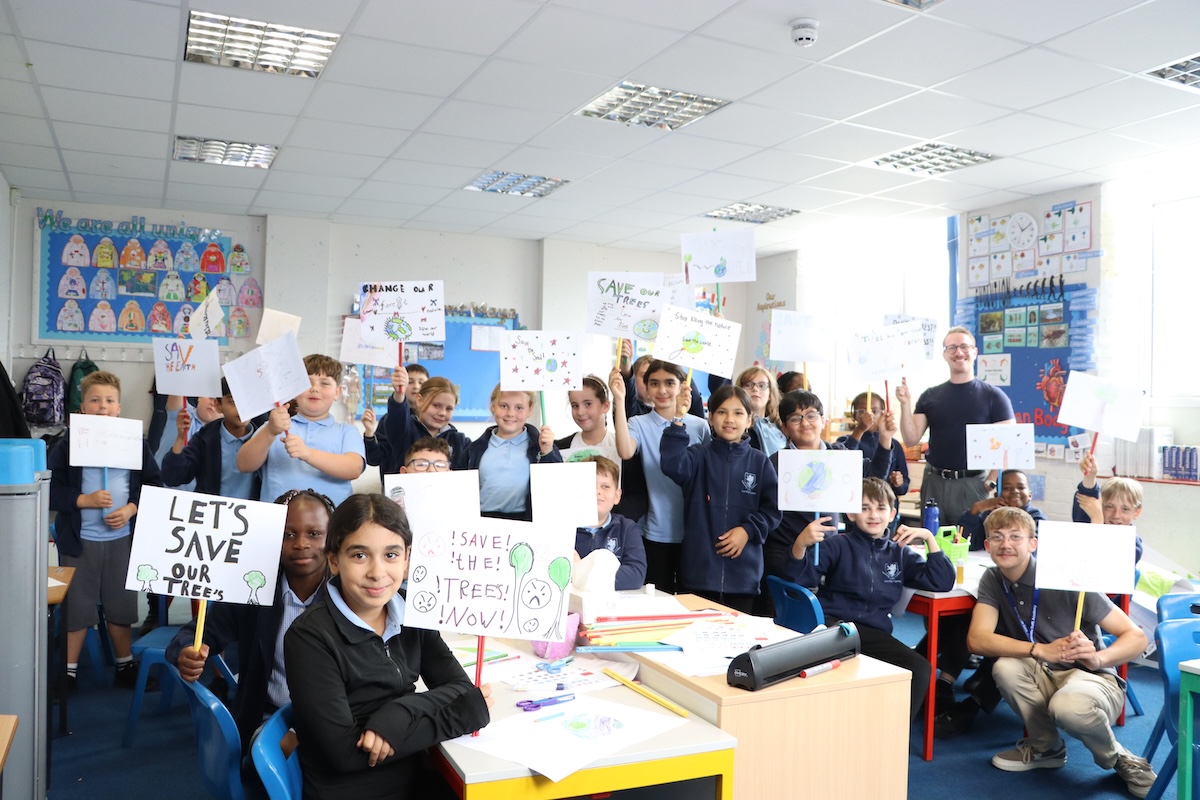
Designing environmental posters and “Save Our Trees” protests
-
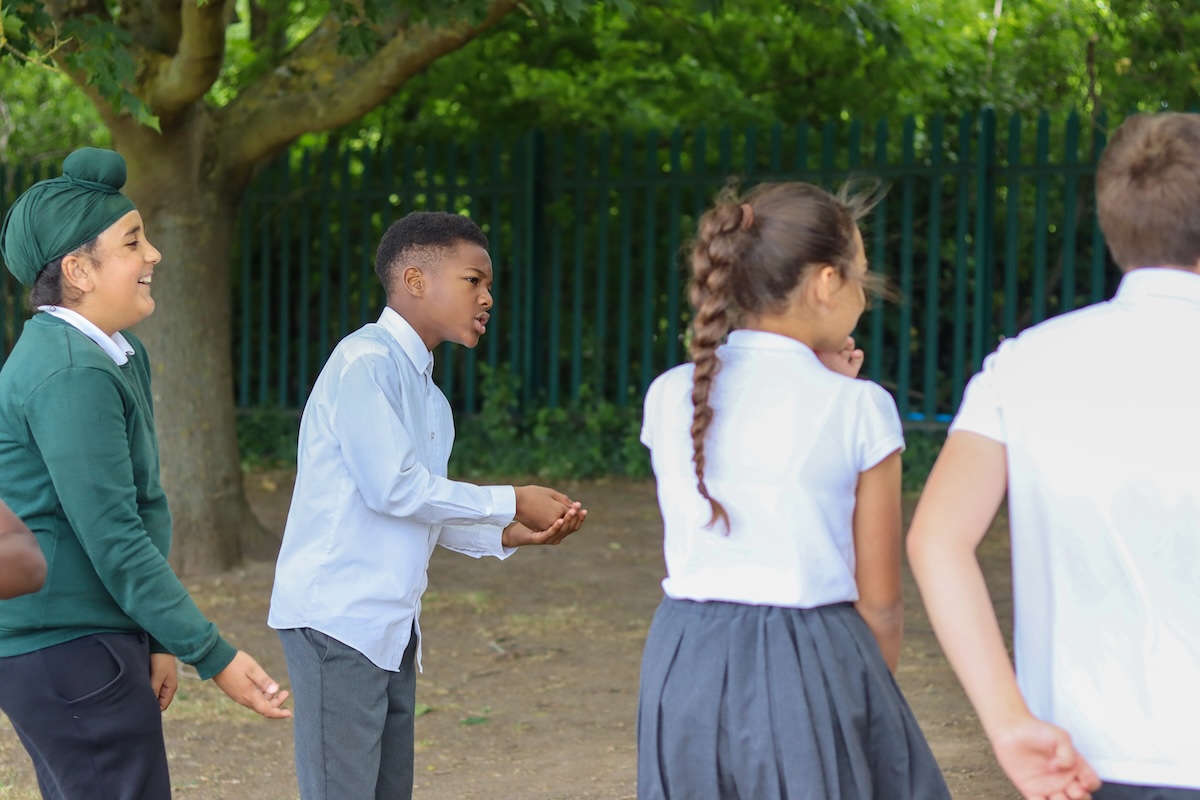
Taking part in school debates
-
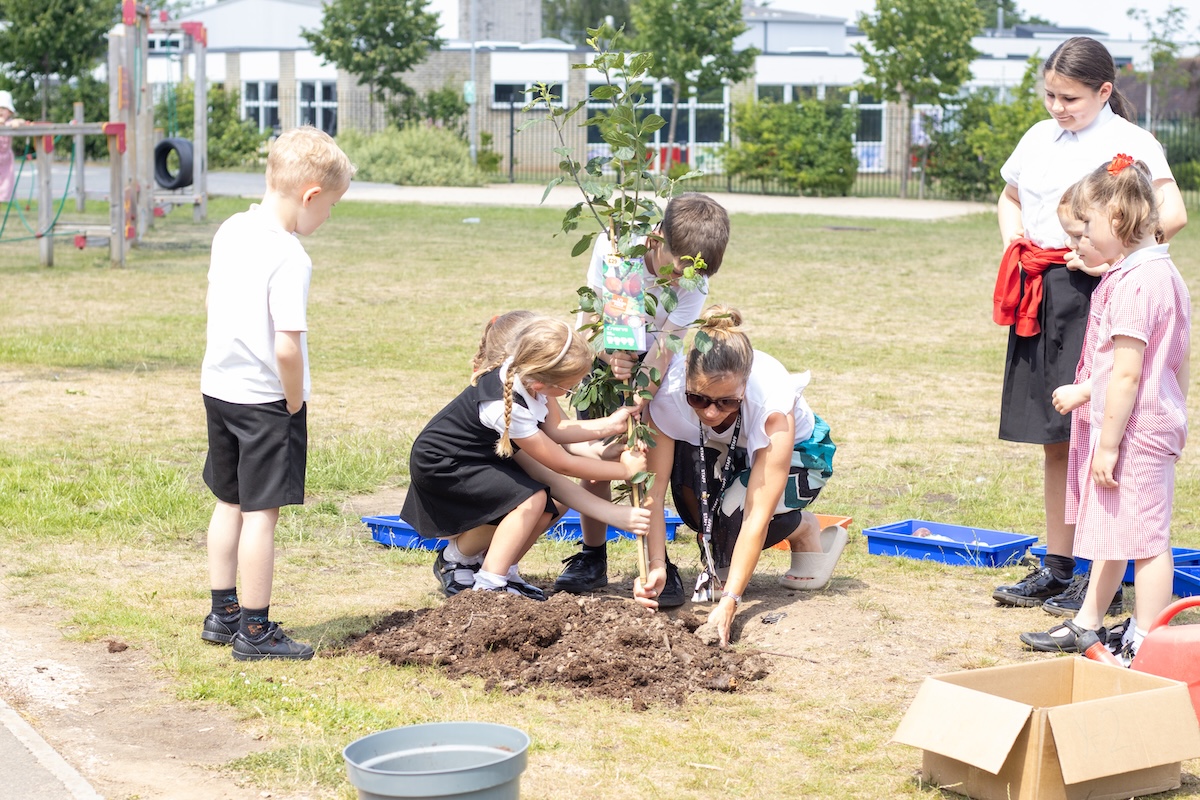
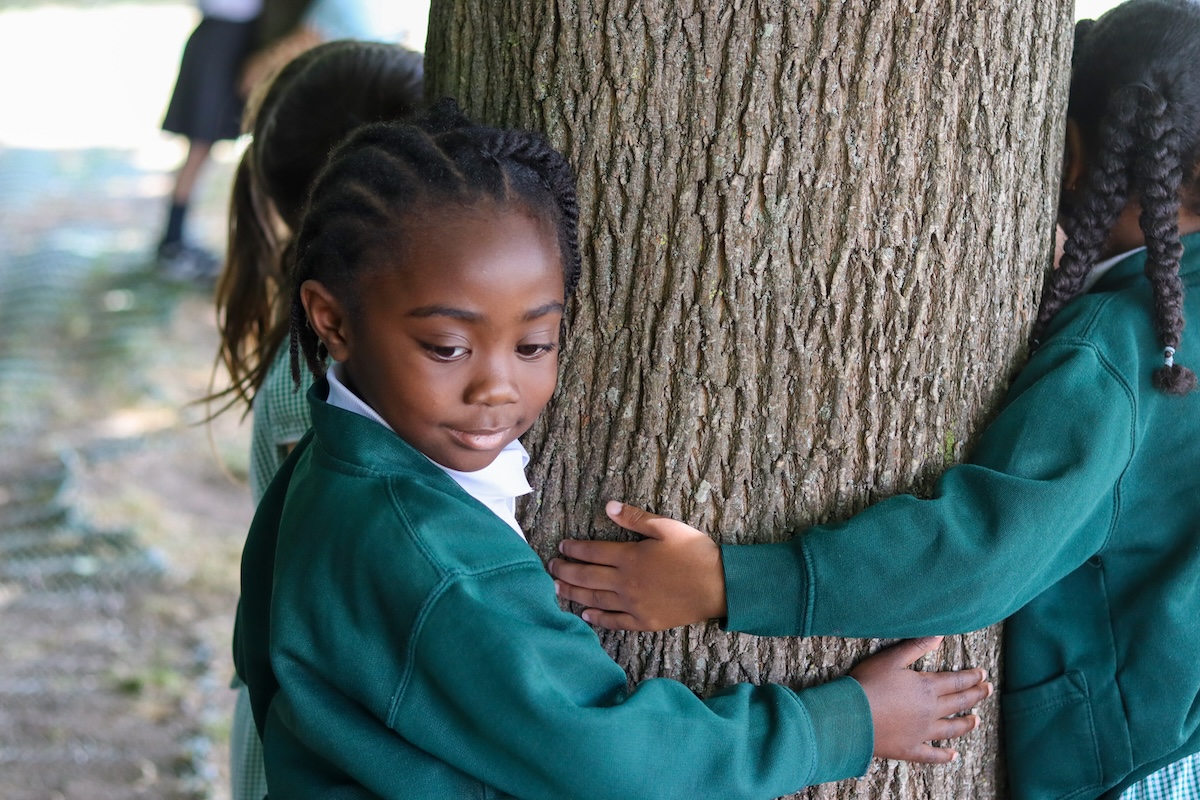
Planting trees within school grounds
-
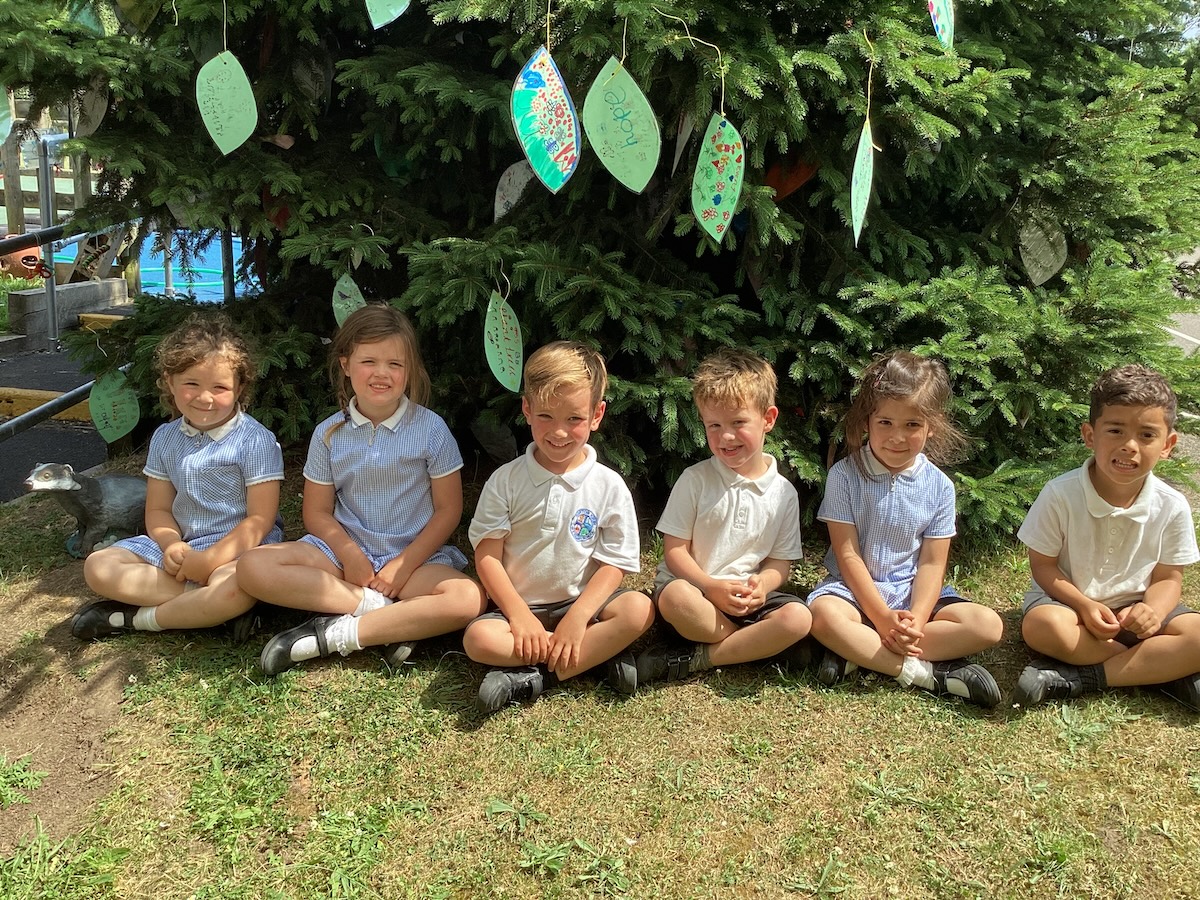
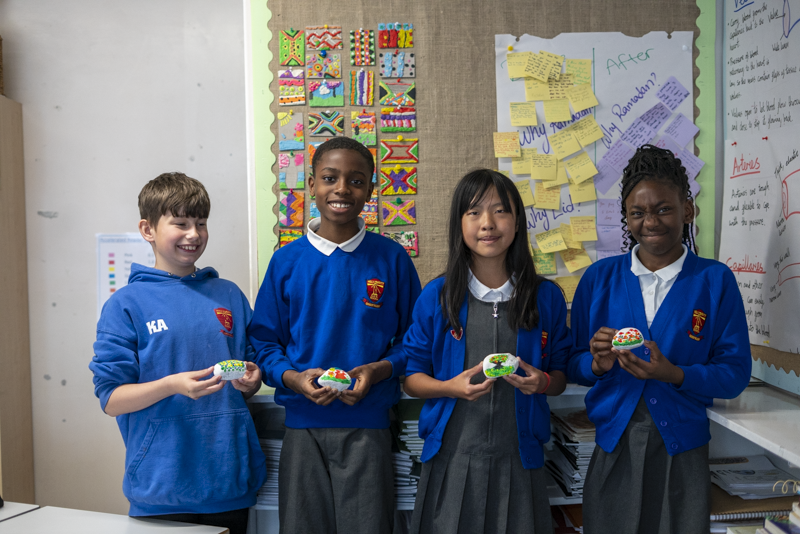
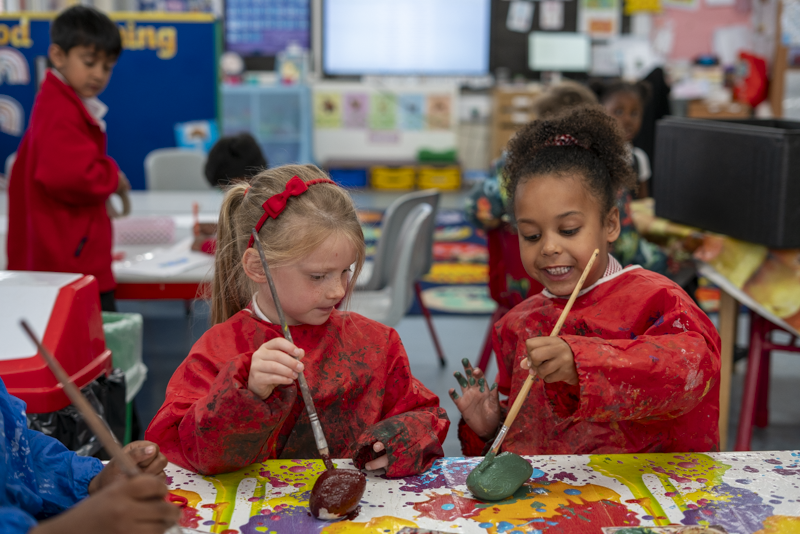
Creating art such as pebble painting, tree rubbings, and nature-inspired displays
These creative and practical responses allowed children to move beyond discussion and into action; demonstrating not only what they had learnt, but how the question had shaped their values and perspectives.
Celebrating the Project
Last Thursday evening, colleagues from across the Trust came together to celebrate this work at the Flourished ED Conference in London, held at Saint Church in Hackney, in partnership with the Templeton World Charity Foundation. It was a privilege to share the Big Questions in Classrooms research project and to showcase the inspiring learning that took place across our schools during the summer of 2025.
The evening provided an opportunity to reflect on the impact of the project, celebrate the dedication of our RE Best Practice Leaders, and recognise the depth of thinking demonstrated by our pupils. The conference concluded with a shared meal and a keynote speech from Bridget Phillipson, bringing a thoughtful and fitting close to a celebratory event.
Why This Work Matters
The Big Questions in Classrooms project demonstrated that when children are trusted with complex ideas, encouraged to see issues from multiple perspectives, and given time to think deeply, their learning becomes richer and more meaningful. It also highlighted the power of RE and cross-curricular learning in supporting children to engage thoughtfully with the world around them.
You can see some of this learning and reflection in action by watching the video below.